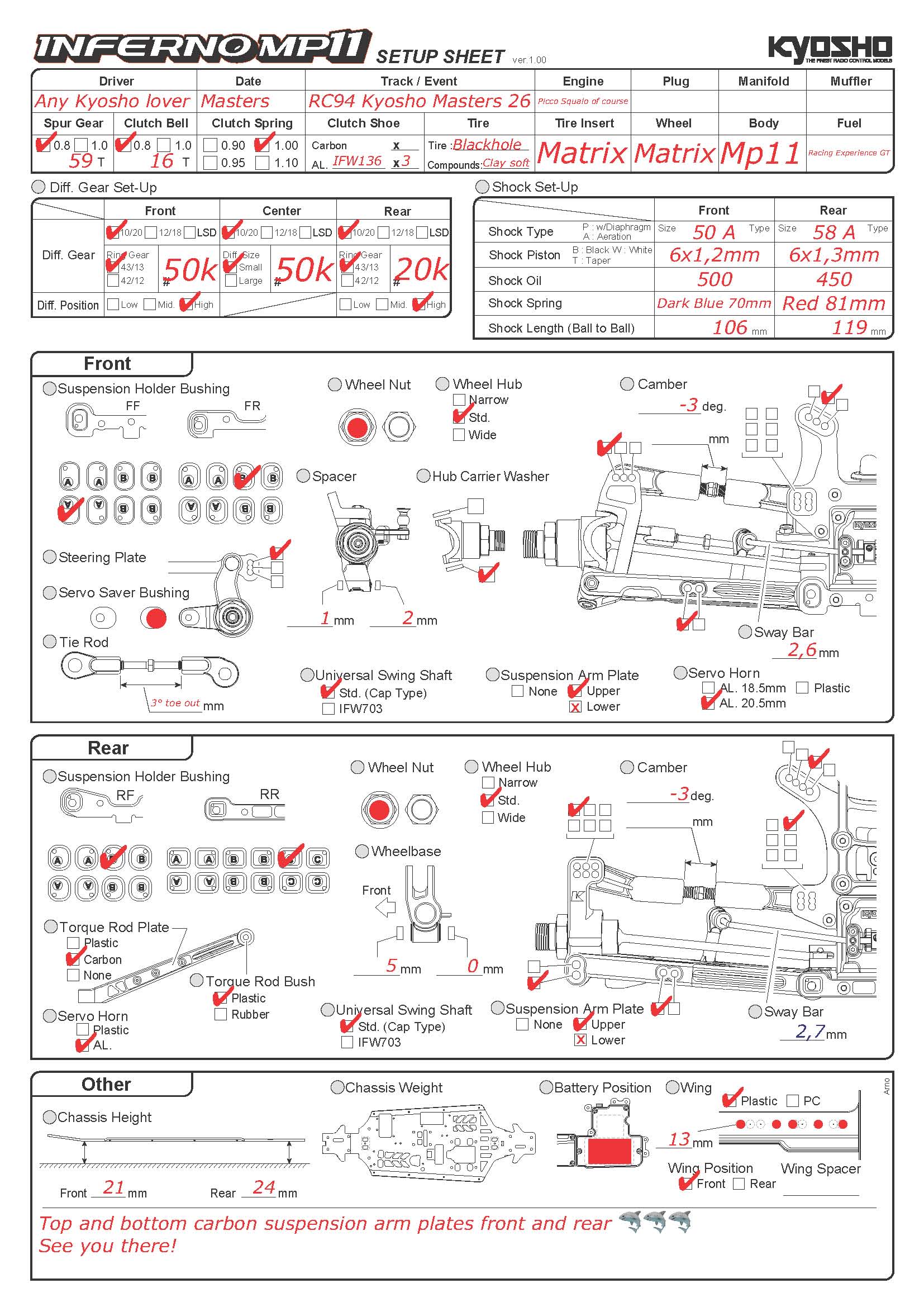
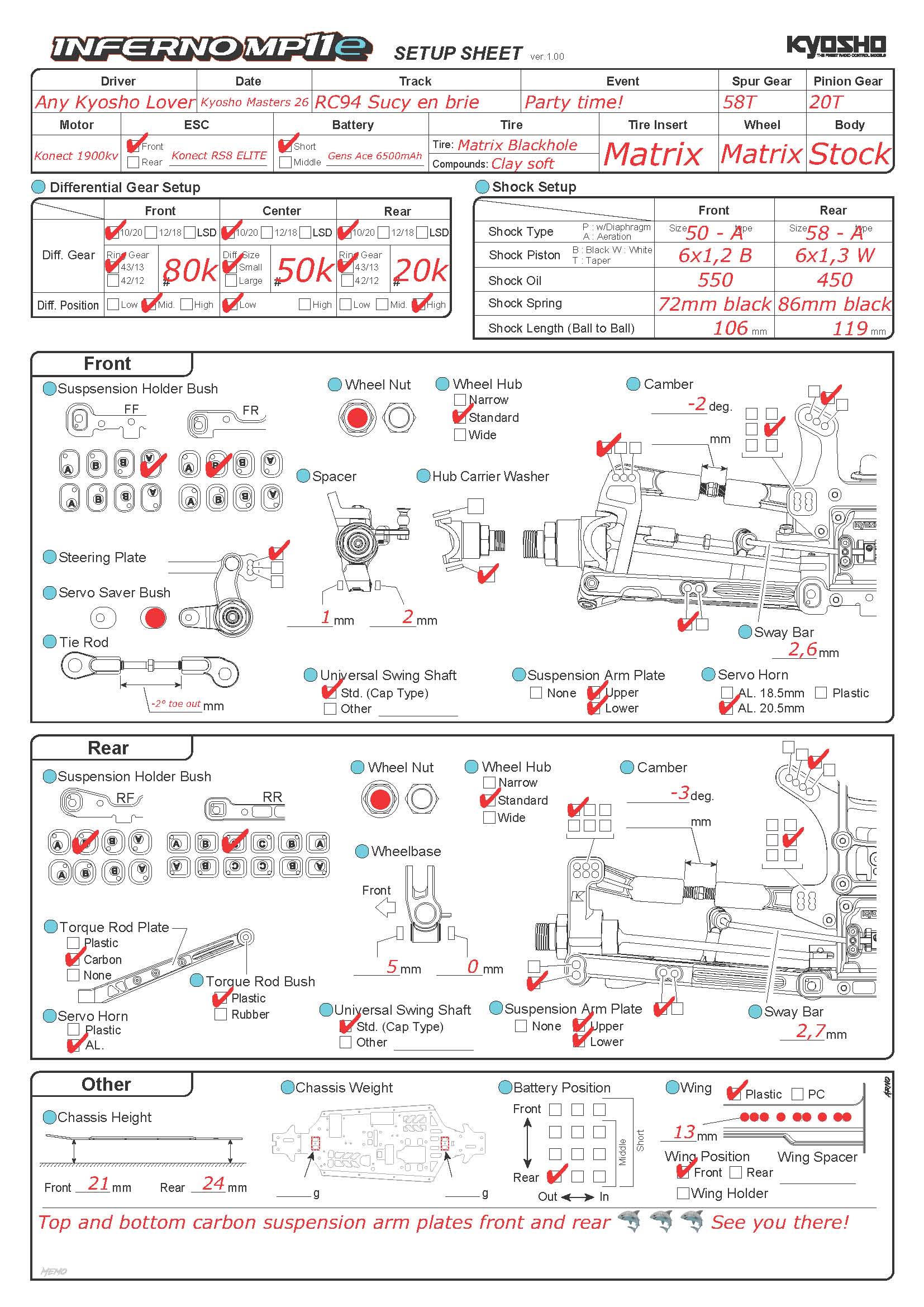
Kyosho Masters 2026 at RC94 Sucy-en-Brie: my setups and advice
The Kyosho Masters 2026 at RC94 is exactly the kind of event I love: a technical, tricky track, and above all very different from what we usually encounter. If you want to perform here, you’ll need to forget some habits… and adapt your car smartly.
Of course, I’m already looking forward to seeing all of you again at this great event, which even makes some drivers switch brands just to be part of our big family.
Here I’m sharing my reading of the track and the setups I recommend, based on my experience at the Kyosho Masters over the past few years!
A track that requires a different approach
The RC94 in Sucy-en-Brie is not a “classic” track:
- Multi-surface: wood, cobblestones, astro, plastic plates...
- A lot of grip
- But also very tricky bumpy and technical sections (like the “corkscrew” chicane opposite the podium or in front of it). It’s hit or miss… when it works, it’s fast, but when it doesn’t… well, it really doesn’t.
And this is where many people get it wrong:
you might be tempted to stiffen the car a lot because of the grip… but in reality, you still need to stay balanced.
A car that’s too stiff becomes unstable and unpredictable, and therefore hard to drive.
My approach here
On this track, I always look for:
-> usable grip, not just “raw” grip
-> tolerance to absorb bumps and grip changes between surfaces
-> a car that’s easy to drive for 5 minutes, not just fast for 1 or 2 laps
Clearly, you need to find the right balance in chassis setup and still let the suspension do its job.
Suspension
This is the key point here.
- Springs: quite stiff, but not too much at the rear to keep some damping (black springs can be an option to test front and rear, that’s probably what I’ll try during Friday practice).
- Oil: adjusted depending on temperature and pistons used.
- Pistons: 6-hole as a base on the MP11. 8-hole can bring more comfort but you’ll need much thicker oil, especially if temperatures rise (and we’re not talking about Saturday night ). 5-hole should be avoided, the car will feel too soft and “floaty”, not efficient.
- Ride height: quite low, but not too low to avoid bottoming out after jumps.
- Emulsion: always. It provides more grip in corners and better damping.
Personally, I prefer a car that moves a bit but stays planted on the ground everywhere.
Chassis & flex
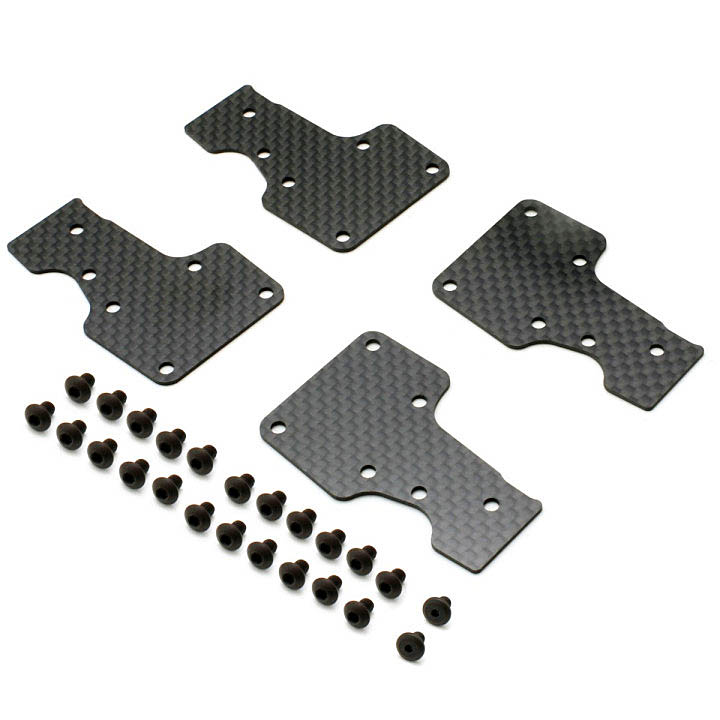
- Arms: maximum stiffness (carbon plates above and below the arms)
- Braces: also stiff
Front end
- Camber: -2°
- Toe: more toe-out gives more stability, less nervousness, and more steering at low speed — don’t hesitate to add some, especially since there’s no technical inspection
- Steering: smooth. Reducing the steering servo speed can help.
I’m always looking for progressive steering. A car with too aggressive steering will make your driving nervous and less fluid.
Rear end
- Camber: -3°
- Toe-in: 1° to 2.5° (less toe gives a much faster car at low speed, but be careful in case of rain!)
It’s important to have a car that feels safe when getting back on throttle.
Differentials
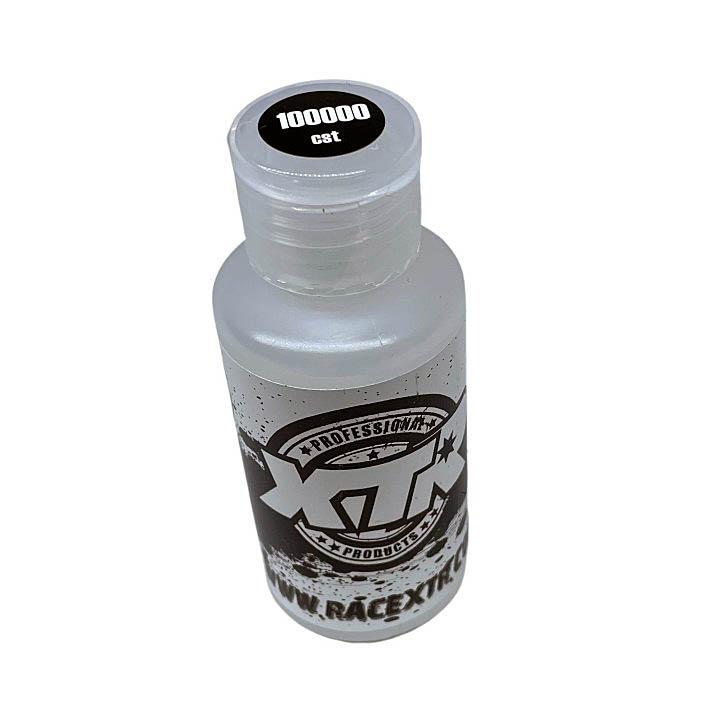
- Don’t hesitate to run “thick as F” diffs, especially at the front. A stiff front diff will give a smoother and easier-to-drive car. The only downside is less steering at low speed.
- Don’t go too thick in the center diff so it can still absorb surface changes.
Tires
Honestly, this is a huge performance factor:
- Adapt to the dominant surfaces (astro / wood)
- Not too hard inserts
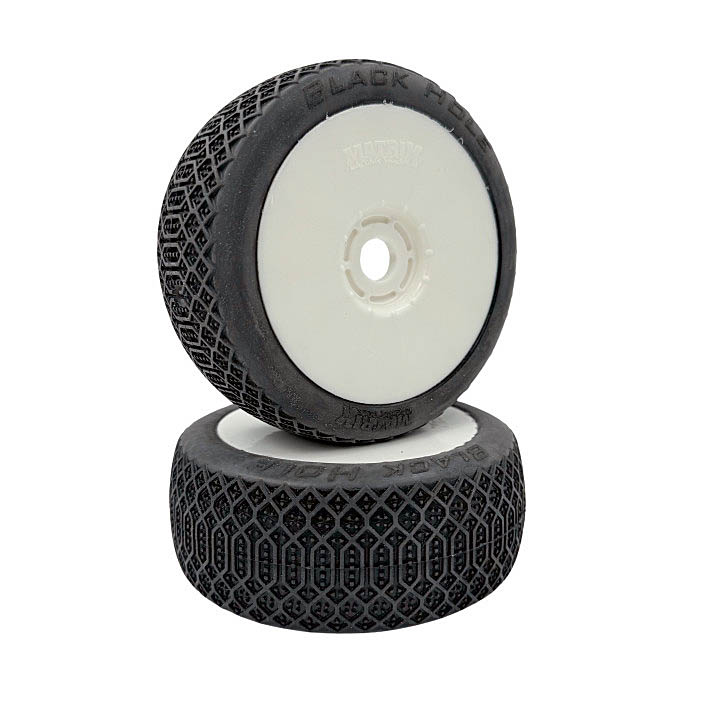
My advice: test from the very first runs, the track can evolve quickly. But no worries, I’ve been running Blackhole Clay Soft or Clay Medium for 2 years now and won, so there’s a 99% chance this will be a top choice!
What I often see… and what doesn’t work
I’ll be clear:
X Too stiff car (carpet-style)
X Shocks too hard or too soft
X Too aggressive steering
X Being afraid to stiffen diffs: “diffing-out” effect: power goes to the unloaded wheel in corners, and when it touches the ground again, it shocks the drivetrain and makes the car unstable. Don’t be afraid!
My driver advice
As always, do a track walk when you arrive to understand all the small details of the layout.
In fast chicanes, take your time and increase your risk progressively to go faster. If your car jumps 2 meters high in the first runs and you break it, that’s all learning time you lose for the race!
Obviously, with synthetic surfaces, the risk is that if it rains, grip becomes the complete opposite — like an ice rink! Keep an eye on it. We hope for good weather, but if it rains, I recommend checking “low grip” setups, which will be a solid base.