|
Tech Report: US Indoor Champs in Cleveland – 21.5 Stock
This year our team decided to take part in the famous US Indoor Champs in Cleveland. The event is well known for its large entries, strong competition, and the iconic overnight open practice—which usually means very little sleep. And I must admit, everything people say is true: it’s exciting, challenging, exhausting, and absolutely worth attending again.
I chose to compete in three classes this year: 21.5 Touring Stock, 25.5 LMH Stock, and 1/12 Super Stock 13.5. To prepare for the black-carpet surface and boards-style layout, we spent two days testing at Rose City Speedway in Canada, near Niagara Falls. This year, the event introduced the new Gravity Gold tires, significantly softer than the previous version, so we wanted to make sure we had a strong starting setup.
Rose City is a compact, technical track with plenty of traction. The new softer tires worked well immediately. I started with Adam’s 2023 Cleveland setup, which I converted for the X4’26:
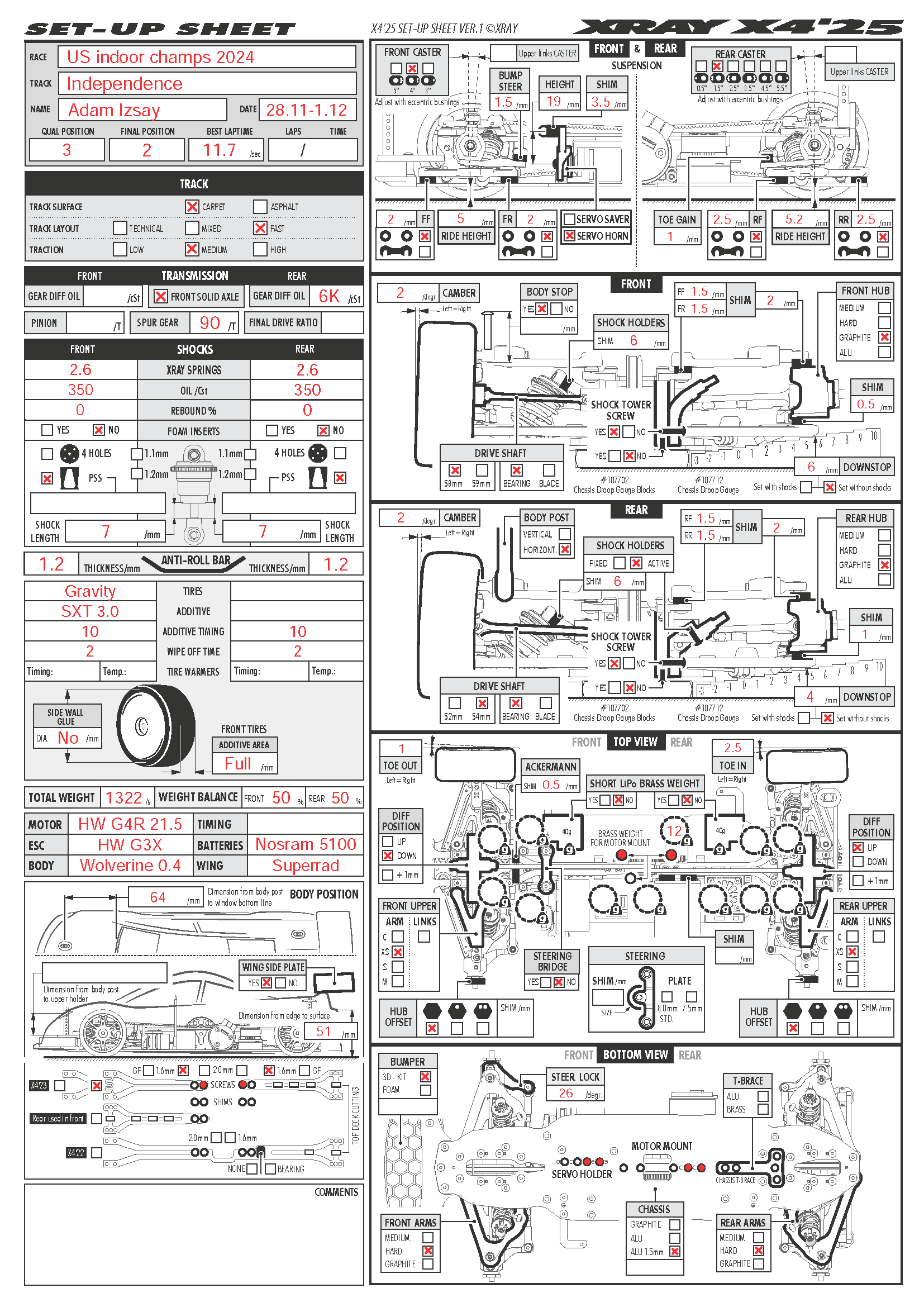
The car felt great right from the start. I didn’t need to change anything initially—the car was simply a joy to drive. The new X4’26 is more stable than the previous version, which allowed me to run a slightly more aggressive setup to increase rotation for Rose City’s tight layout. I shifted the weight balance from 50–50 to 49–50 and used the upper position on the front solid axle.
Another improvement is that the new car doesn’t require the steep shock positions used on earlier models, as it naturally generates more traction. The “sweet spot” on this track was 3 mm on the shocks. After a few small adjustments, the car felt perfect—I felt ready for Cleveland.
________________________________________
Transitioning to the Event Track
As usual at big races with brand-new carpet, the conditions were completely different from a permanent track. Traction was much lower, the rear end slid more, and the car felt “on the nose,” making it edgy and difficult to drive. I needed to adjust the setup to make it more rounded, stable, and easier to drive.
Main changes from permanent carpet to the new track:
• Harder diff oil made the car more stable off-power and smoother in sweepers.
o Rose City: 6k for better rotation
o Cleveland: 7k–8k for more stability
• Less droop overall improved stability.
o Front: reduced diving, prevented mid-corner over-rotation
o Rear: improved off-power traction and stability
• More toe-gain increased on-power traction and stability.
In Rose City I used 1 mm, but in Cleveland the car felt loose on throttle, so adding more toe-gain solved it.
• More rear toe-in increased traction and gave a touch more in-corner steering.
• Weight balance back to 50–50 improved forward bite and overall stability.
• Lowering the front shocks by 1 mm made corner entry easier and more predictable.
• Using all screws in the upper clamps increased stability in long sweepers, at the cost of a little steering.
By the end of qualifying, I was happy with the car’s pace, but I noticed that the handling became slightly more difficult as the run progressed. I believe this was related to the softer tire compound because I did not experience this issue at previous US events. For the final, I wanted more stability and consistency over the entire five-minute run.
That’s when I switched to the long upper links mounted on the upper clamps—a fantastic new feature of the X4’26. Long links reduce camber gain, so to compensate, I lowered the shimming from 2 mm to 0.5 mm.
The improvement was immediate. The car was consistent from start to finish—not only fast in the opening laps. It felt rounder through the corners, no longer dived in the long sweeper, and carried better corner speed throughout the run.
If you race in similar conditions and feel your car is edgy, lacks corner roundness, or becomes difficult to drive over long runs, I strongly recommend trying the long links. However, on low-traction or very tight layouts, they may reduce steering too much.
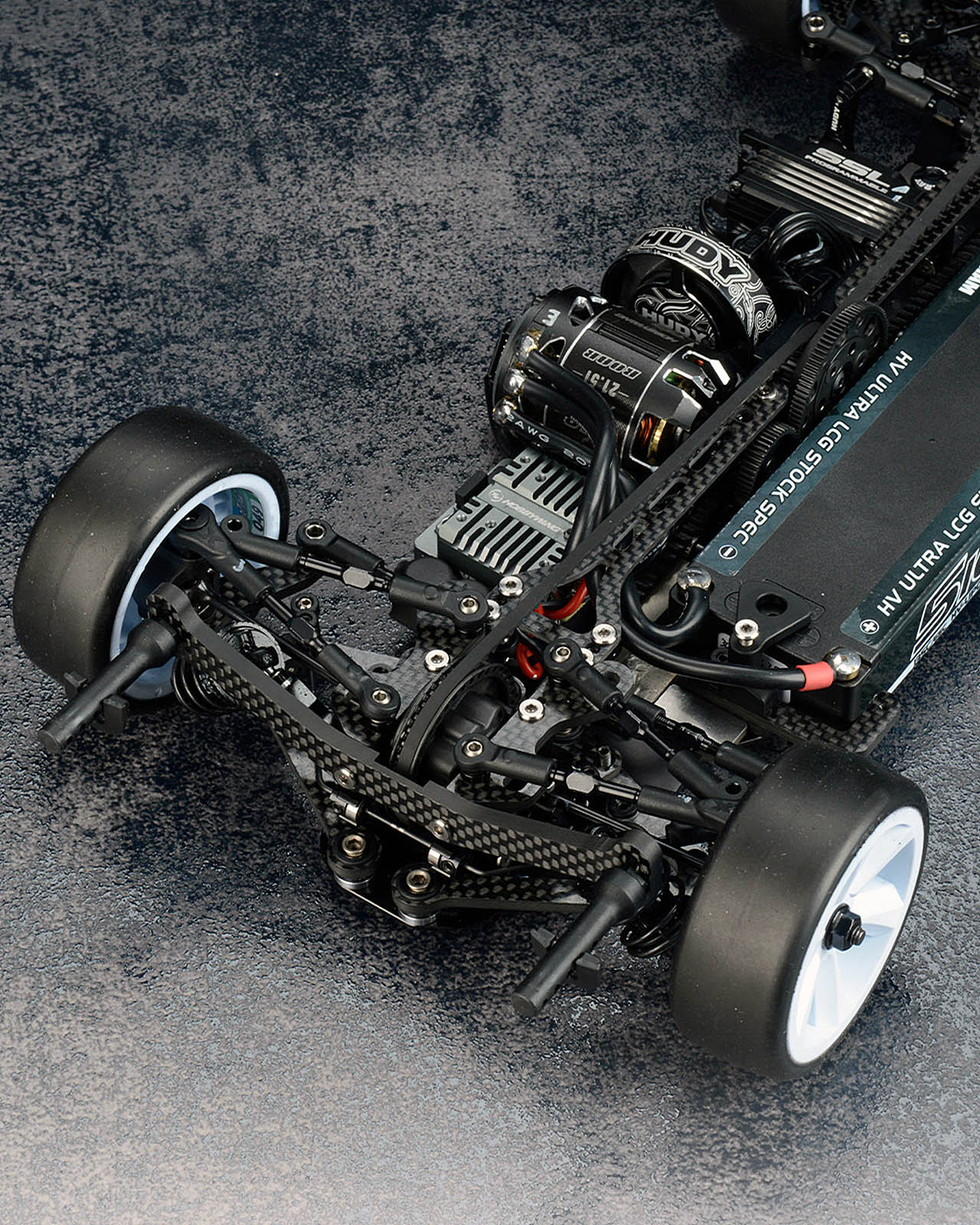
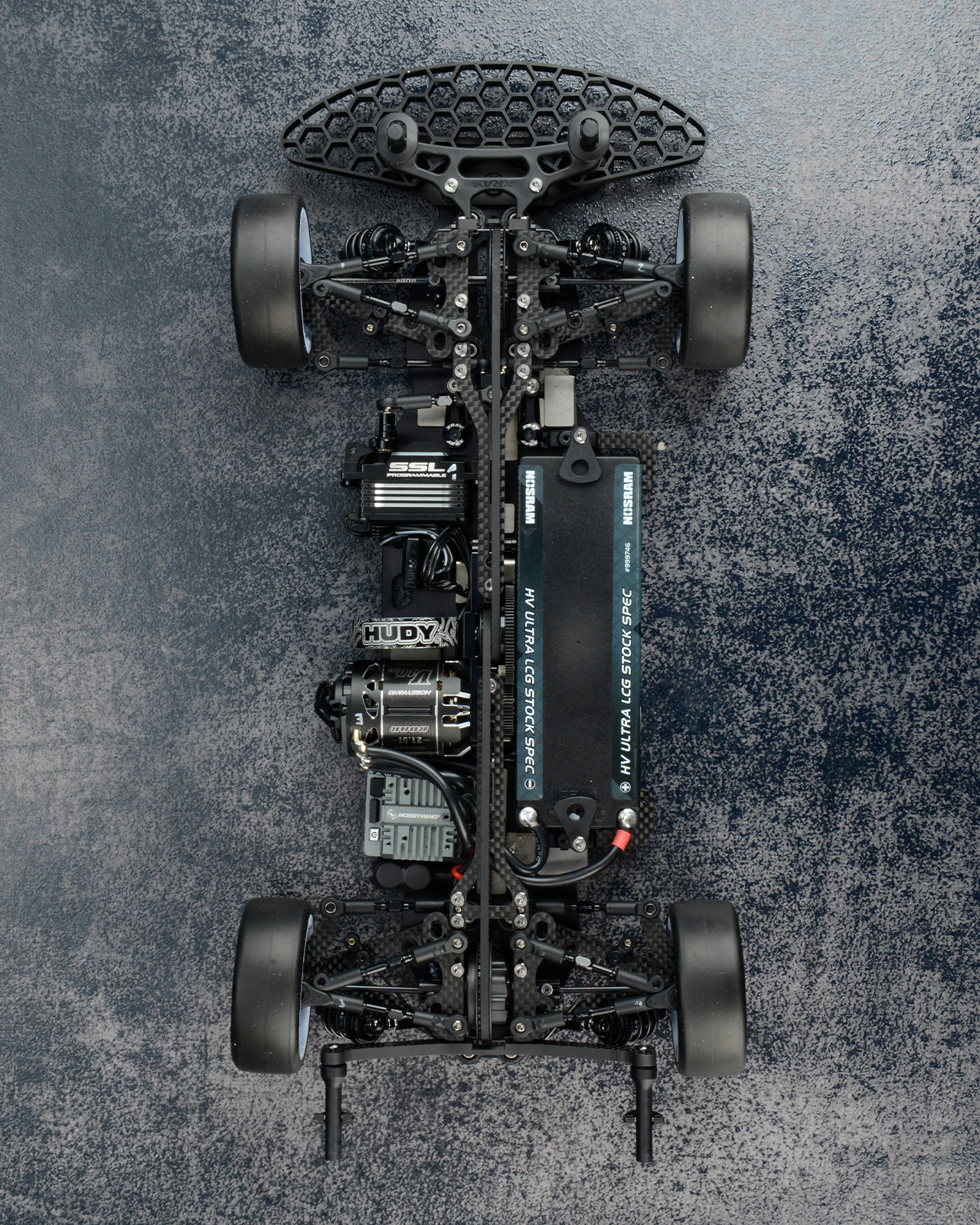
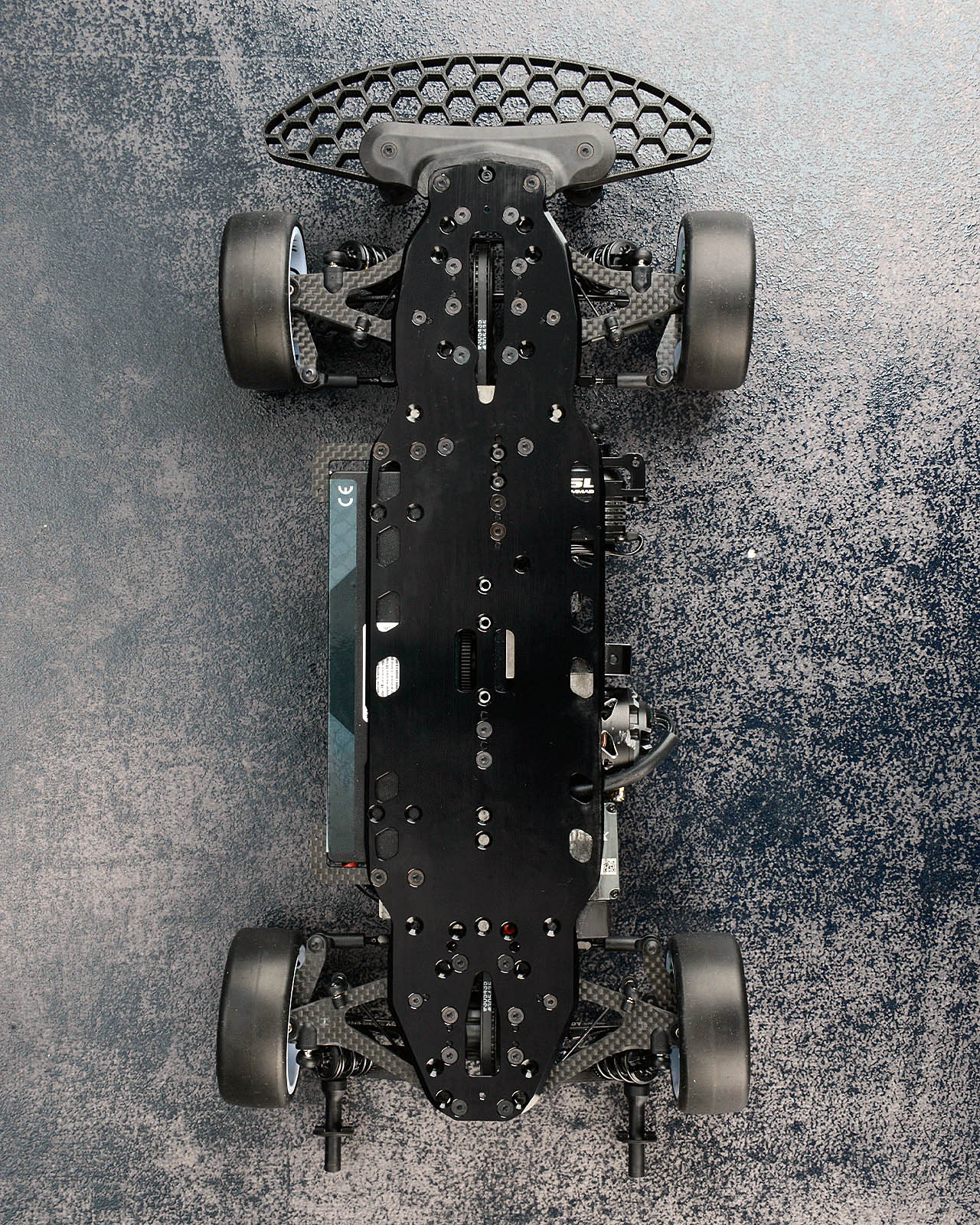
Final setup sheet:

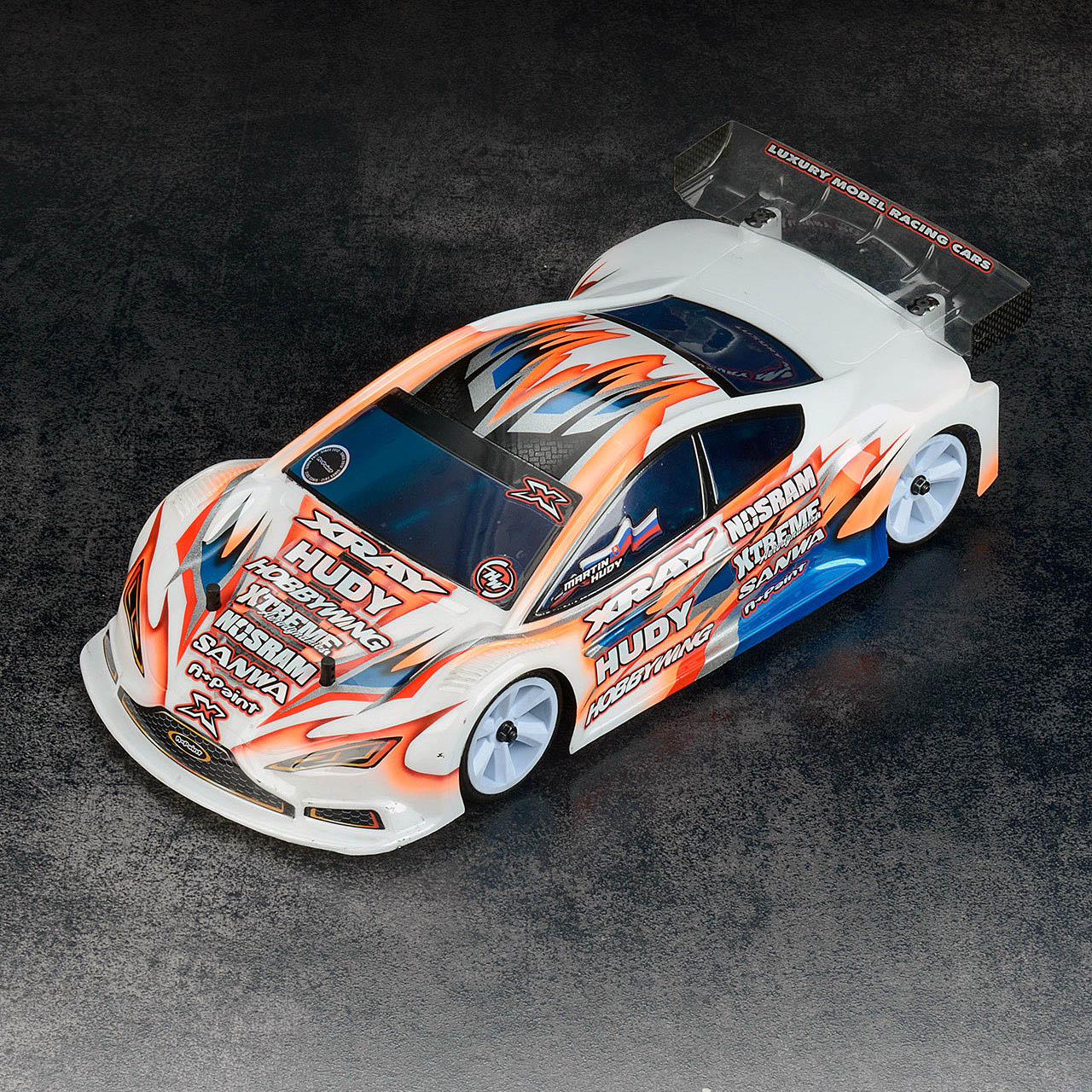
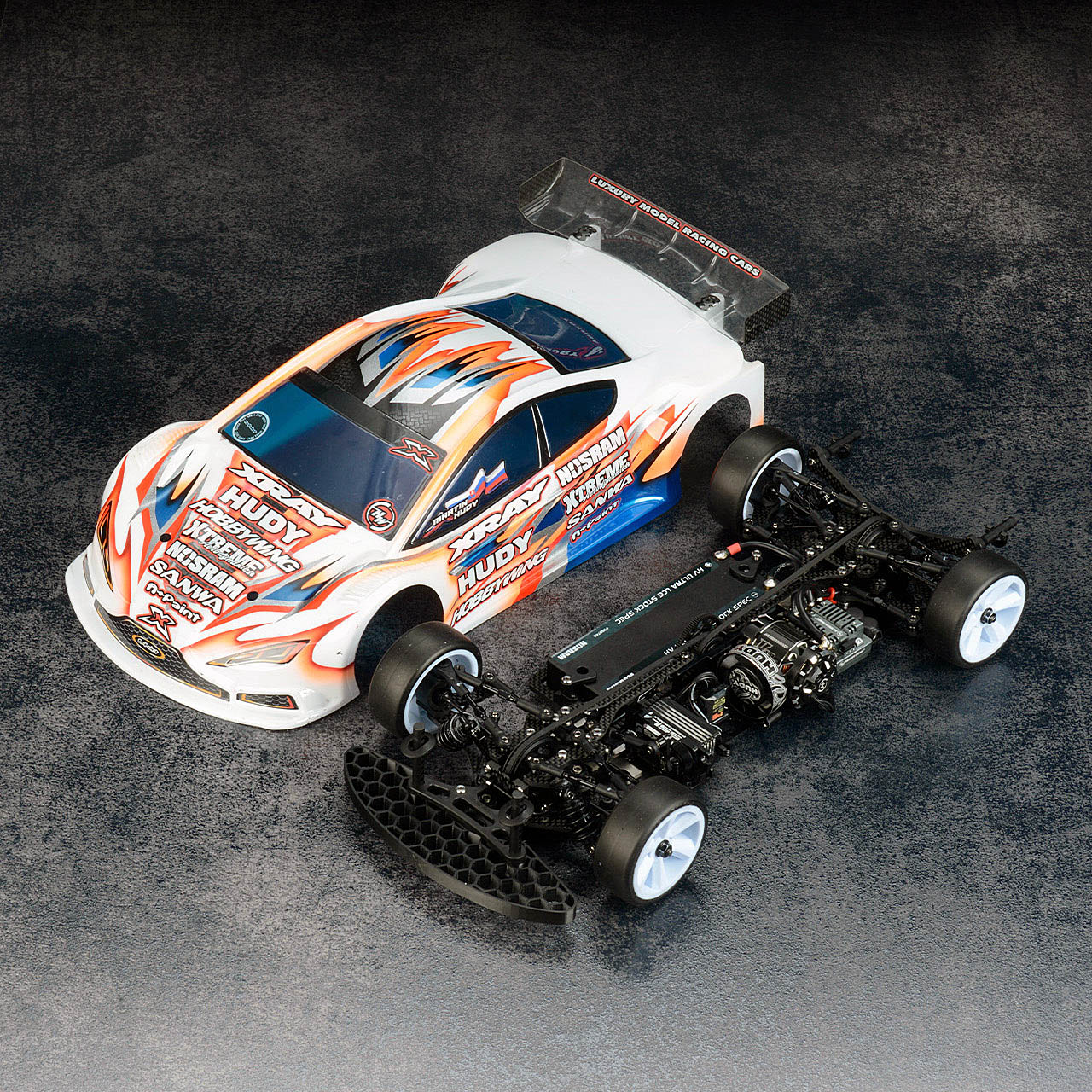
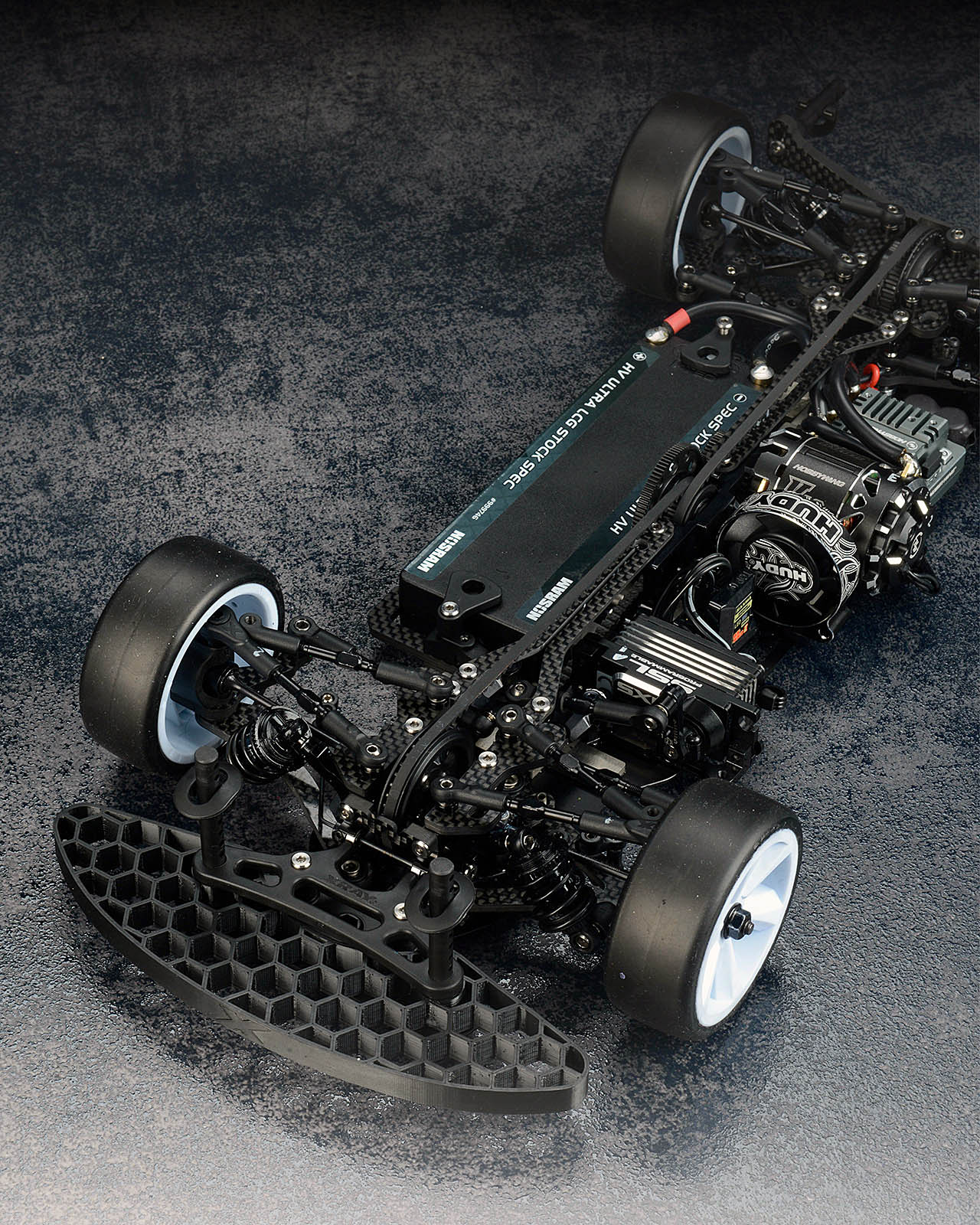
|

